
 search
 Español
 English
 Español
 русский
Noticias
Inicio / Noticias / Noticias industriales / Taza de café de acero inoxidable La calidad comienza en el mango
Una taza de café puede tener un cuerpo bien formado, una superficie pulida y un borde cuidadosamente acabado, y aun así sentirse mal hecha cuando el mango no se adapta cómodamente a la mano. En la producción de vasos de acero inoxidable, el mango es un componente pequeño, pero su conexión con el cuerpo de la taza tiene una influencia directa en la resistencia, la apariencia y el manejo diario.
Es por eso que la construcción de manijas se ha convertido en una parte importante de Taza de café de acero inoxidable producción. A medida que los vasos se mueven entre el hogar, la oficina, los viajes y los mercados promocionales, los fabricantes están prestando más atención a cómo se siente la taza después del ensamblaje en lugar de tratar el mango como un simple accesorio.
El cuerpo de una taza de acero inoxidable está formado para soportar un manejo regular, pero el asa introduce otro punto mecánico en la estructura. Cada vez que se levanta una taza llena, la conexión entre el asa y el cuerpo soporta parte de la carga.
Para los fabricantes, esto hace que la zona de fijación sea especialmente importante. La soldadura, el posicionamiento y el acabado deben trabajar juntos para que el mango permanezca firmemente conectado sin crear una apariencia desigual en el exterior de la taza.
Una taza de café de acero inoxidable bien hecha también debe tener un asa colocada de forma natural en relación con el cuerpo. Incluso un accesorio fuerte puede afectar la experiencia general si el mango está demasiado cerca de la pared, mal alineado o es incómodo de agarrar.
Por lo tanto, la producción moderna trata la forma del mango y la fijación como procesos conectados y no como dos partes independientes.

La selección del material es otra parte de la producción de tazas que afecta el resultado final. El acero inoxidable se usa ampliamente en bebidas porque combina durabilidad con resistencia a la corrosión, pero diferentes grados pueden comportarse de manera diferente durante el conformado, la soldadura y el acabado de superficies.
Para una taza de acero inoxidable de calidad alimentaria, los fabricantes deben considerar la aplicación de bebida prevista junto con los requisitos de formación y fabricación. El material debe mantener una superficie adecuada después de darle forma y al mismo tiempo respaldar los procesos de producción utilizados para el cuerpo de la taza y el asa.
El tratamiento de la superficie puede entonces cambiar la apariencia final. Los acabados cepillados crean una textura metálica más suave, las superficies pulidas proporcionan reflejos más fuertes y los revestimientos de colores permiten que las tazas de acero inoxidable pasen a colecciones promocionales y minoristas más decorativas.
Estas opciones ofrecen a los fabricantes varias formas de adaptar la misma estructura básica de taza a diferentes líneas de productos.
El aislamiento también ha cambiado la categoría de tazas de acero inoxidable. La construcción de pared simple sigue siendo adecuada para muchas aplicaciones cotidianas, mientras que las estructuras de pared doble y de vacío se asocian cada vez más con artículos de viaje y bebidas portátiles.
Una taza de café de doble pared contiene una capa adicional entre las paredes interior y exterior. En las estructuras aisladas al vacío, el espacio entre las paredes se trata para reducir la transferencia de calor, creando un rendimiento térmico diferente al de una taza convencional de pared simple.
Desde una perspectiva de fabricación, esto cambia la secuencia de producción. Los componentes internos y externos deben mantener la relación prevista durante la formación y el ensamblaje, mientras que la estructura terminada debe conservar su forma después del proceso de aislamiento.
Esta es una de las razones por las que los vasos aislados requieren mayor atención a la consistencia del ensamblaje. La taza puede parecer simple desde el exterior, pero detrás de ese exterior hay varios pasos de fabricación.
El mango curvo tradicional todavía se usa ampliamente, pero el desarrollo del producto ha creado más variaciones en forma, tamaño y posición de fijación. Algunas tazas utilizan aberturas más grandes para facilitar el agarre, mientras que las asas compactas pueden dar una apariencia diferente a los productos destinados a viajes.
Los materiales del mango también pueden variar. Los mangos de acero inoxidable crean una apariencia metálica consistente, mientras que otros tratamientos de mangos pueden introducir una textura o color contrastante.
Para la taza de café de acero inoxidable, estos cambios son útiles cuando los fabricantes desarrollan colecciones para diferentes segmentos del mercado. Un cuerpo básico se puede combinar con diferentes formas de mango, acabados y métodos de decoración para crear productos notablemente diferentes sin cambiar todo el concepto.
Una vez finalizado el trabajo estructural, la decoración ofrece a las bebidas de acero inoxidable otra oportunidad de diferenciación. El marcado láser, los gráficos impresos, los recubrimientos y otros métodos de acabado pueden cambiar considerablemente la apariencia de una misma taza.
Una taza de café con un logotipo personalizado, por ejemplo, puede utilizar una marca sutil grabada para lograr una apariencia metálica limpia, mientras que la impresión en color puede crear un efecto visual más fuerte para productos promocionales o de temporada.
El desafío es mantener la decoración coherente con el tratamiento de la superficie subyacente. Un acabado de metal cepillado produce un resultado visual diferente al de una superficie pulida, y las tazas revestidas requieren métodos de decoración adecuados a la capa acabada.
Esta es la razón por la cual la decoración se considera cada vez más durante el desarrollo del producto en lugar de agregarla sólo después de que se ha fabricado la taza.
El desarrollo de la Taza de café de acero inoxidable refleja un cambio más amplio en la fabricación de vasos de acero inoxidable. La atención va más allá del cuerpo básico de la taza hacia los detalles que determinan cómo se ve y se siente el producto terminado: fijación del asa, procesamiento del material, estructura aislante, acabado de la superficie y decoración.
Para los fabricantes, estos elementos están estrechamente relacionados. Un cambio en la construcción del mango puede afectar el ensamblaje, un grado de acero diferente puede influir en la conformación y un nuevo tratamiento de superficie puede cambiar los requisitos de decoración.
A medida que los vasos de acero inoxidable continúan sirviendo a los mercados cotidiano, de viajes y promocional, estas pequeñas decisiones de fabricación están dando a las formas familiares de tazas más espacio para la diferenciación, al tiempo que mantienen la durabilidad y el uso práctico en el centro del desarrollo de productos.
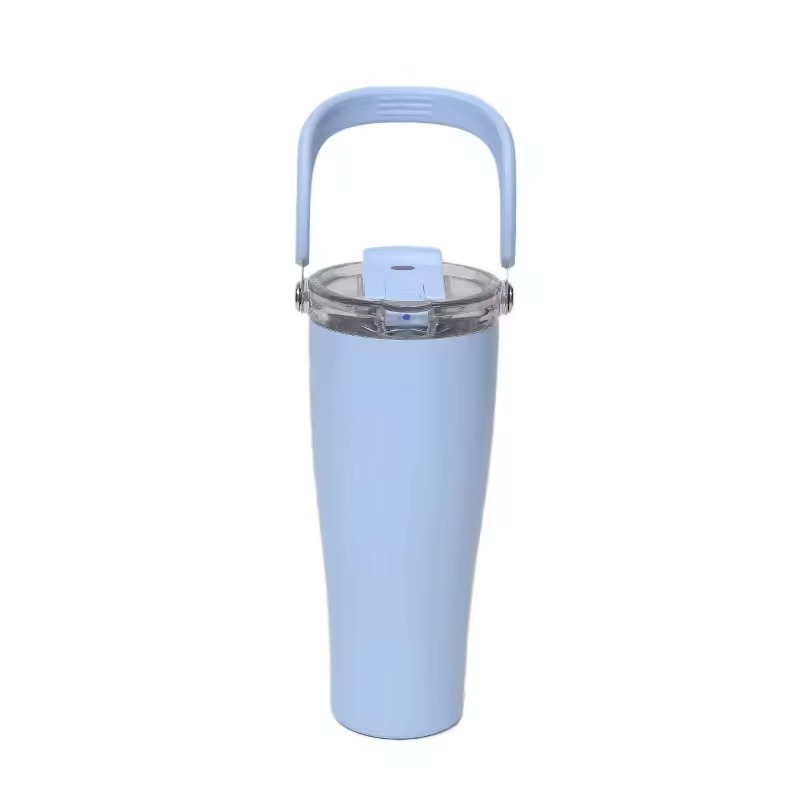 Tumador de acero inoxidable aislada de base desmontable
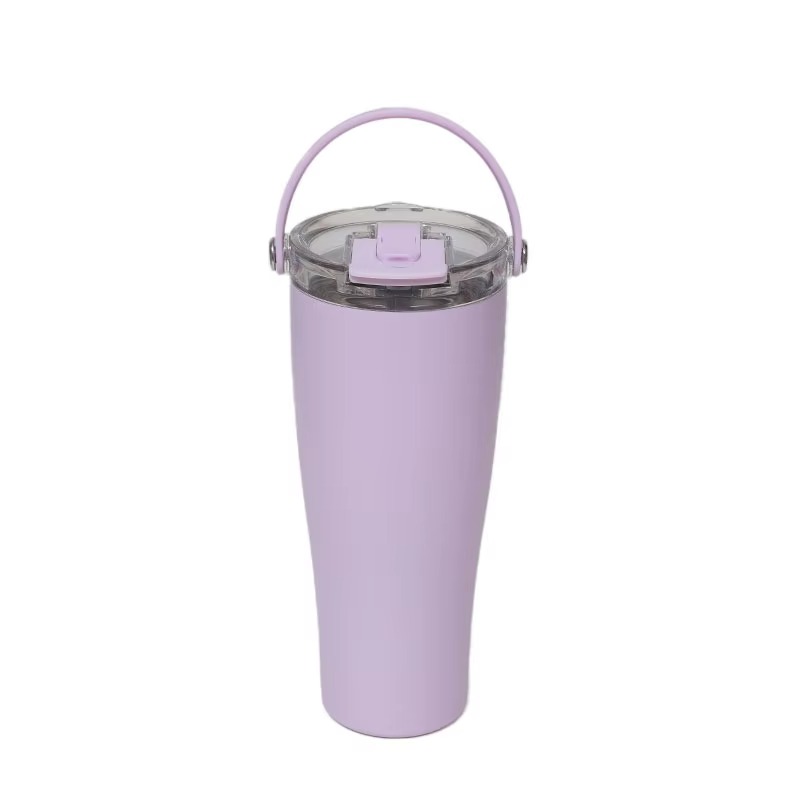 Tumbler de paja de acero inoxidable de dos paredes
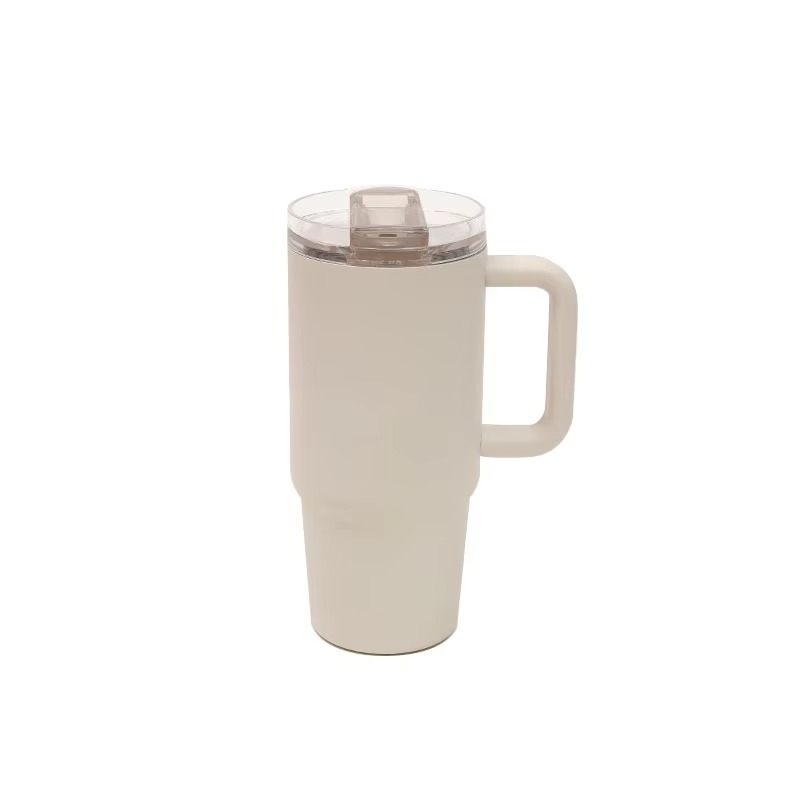 Tumbler de acero inoxidable con tapa de paja
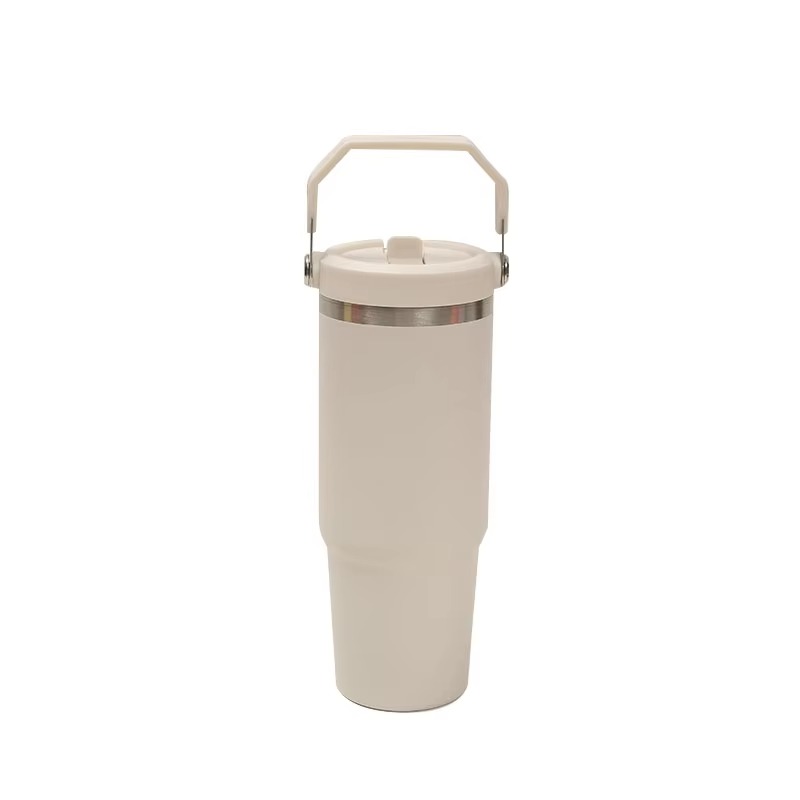 Viaje de acero inoxidable Termos Termos
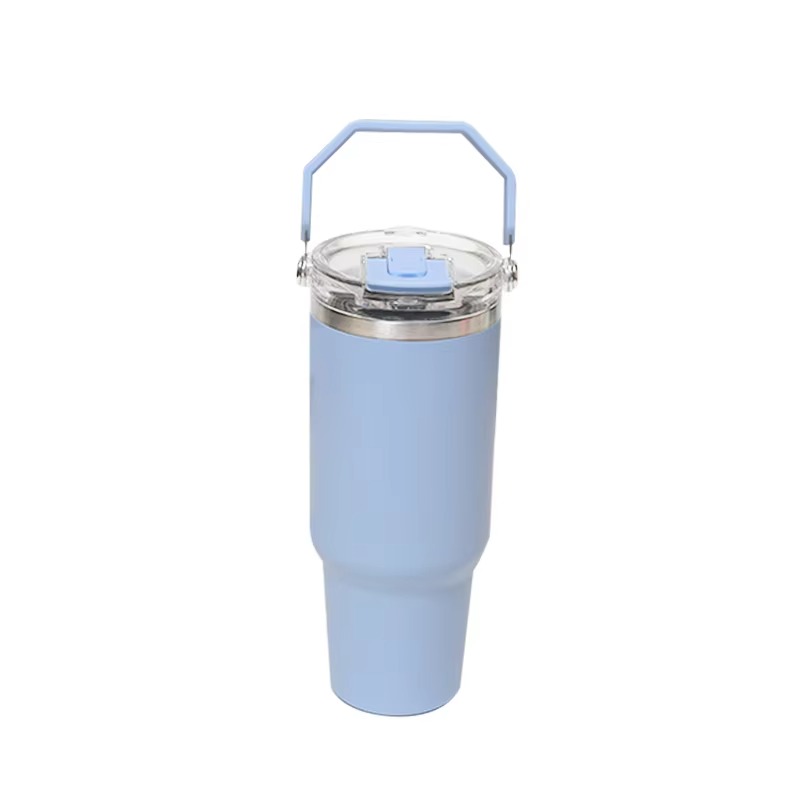 Tumbler de paja de flip a prueba de fugas con una boquilla extraíble
 Viaje Copa de vaso de acero inoxidable
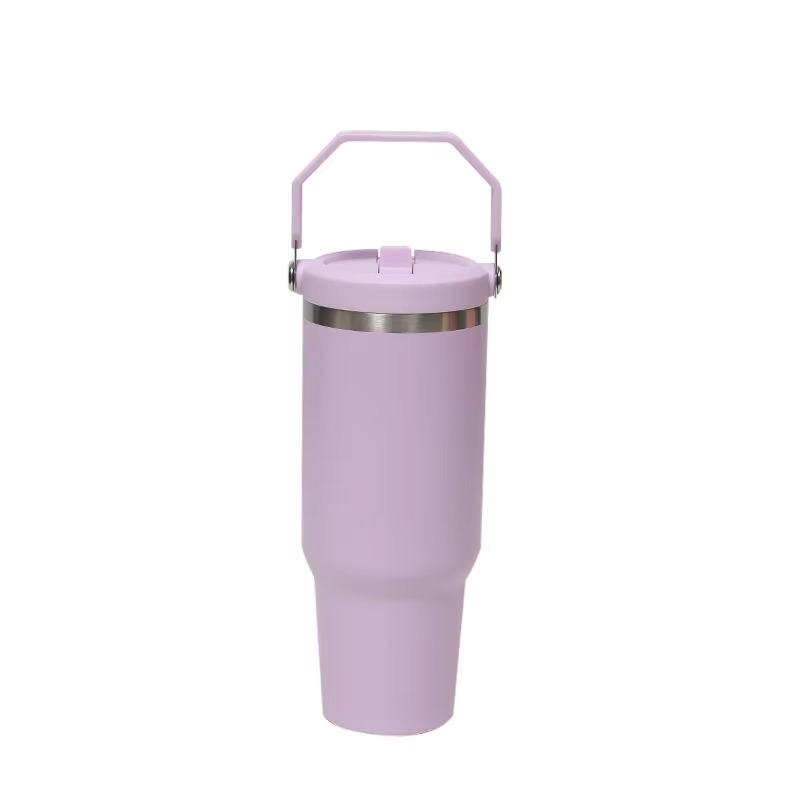 Taza de doble vacío de deportes al aire libre de acero inoxidable
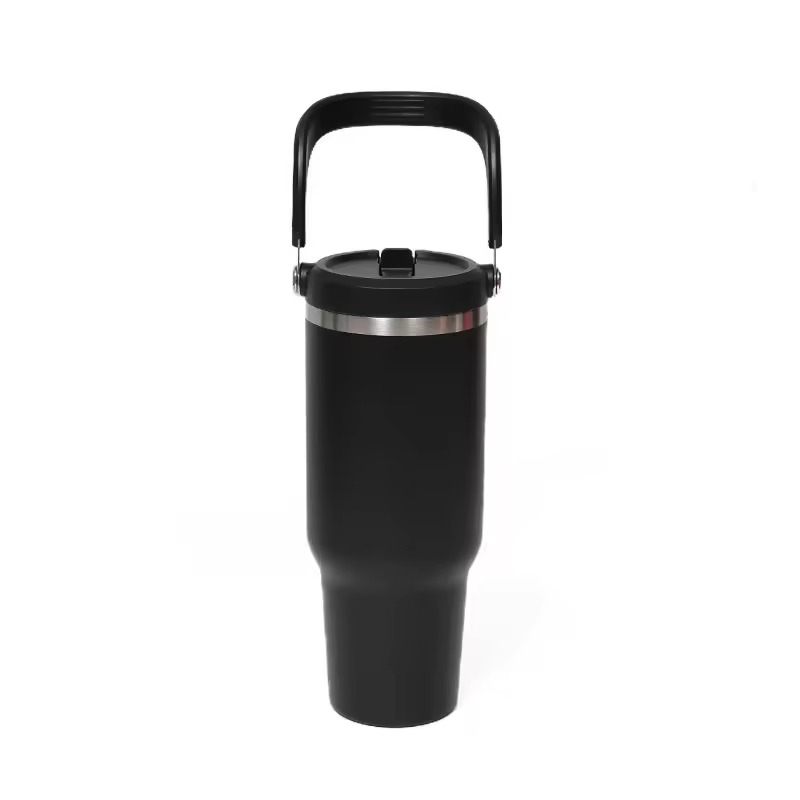 Tumador de paja de acero de acero inoxidable de gran capacidad
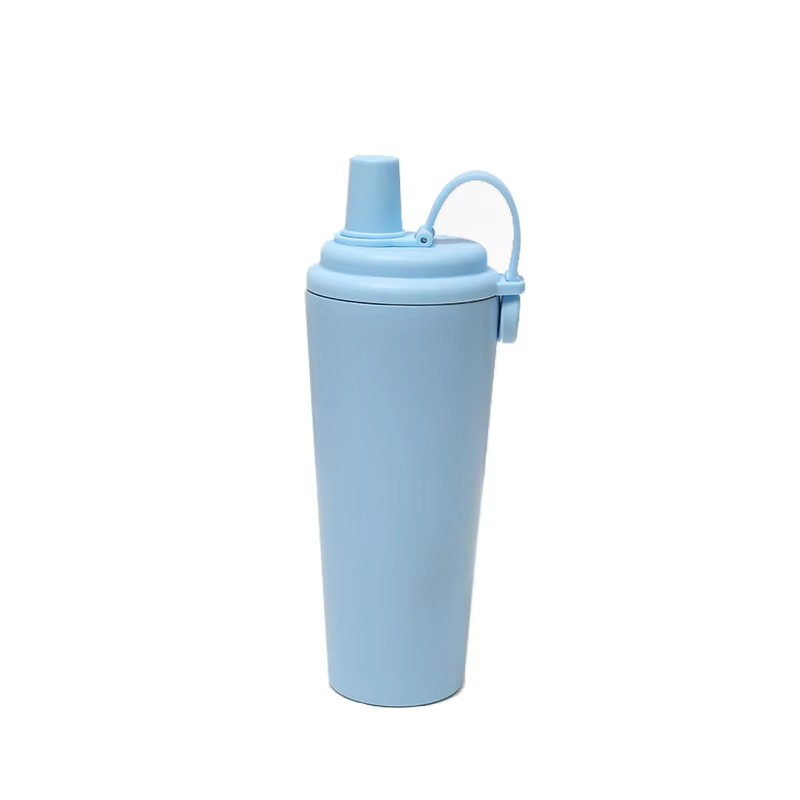 Mango magnético Tumador de acero inoxidable de doble pared
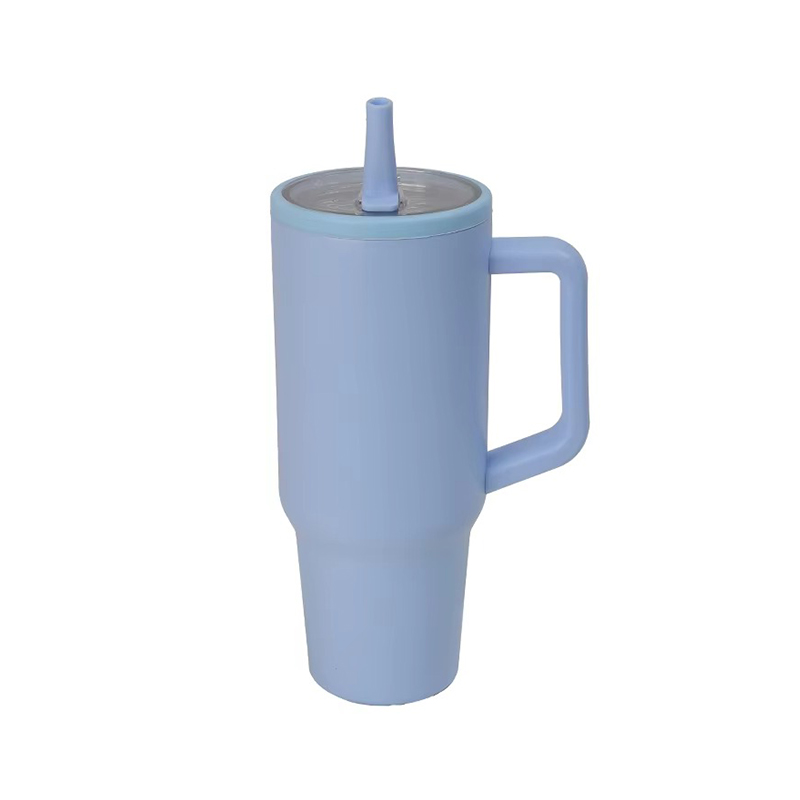 Taza automática de flip top -top de prueba de fugas hechas a medida
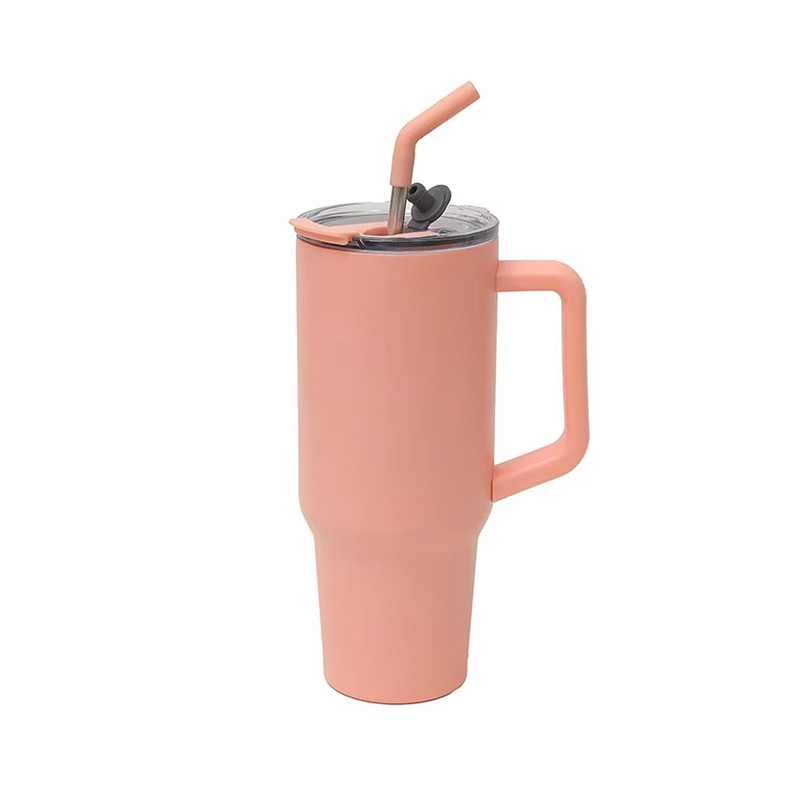 Protección de aislamiento Manejo al aire libre Taza automática
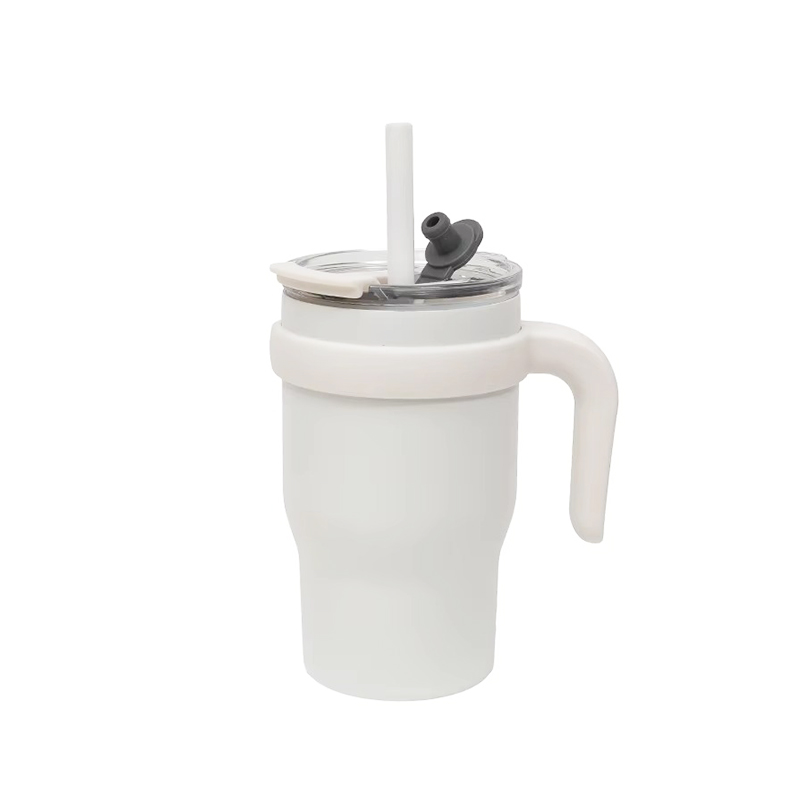 Taza automática de doble capa portátil

Yongkang Xiaoyu Industry & Trade Co., Ltd. es un fabricante profesional de vasos de plástico y tazas de termo. Se dedica principalmente al diseño, fabricación y ventas de vasos de plástico y tazas de termo.
Derecho de autor © 2025 Yongkang Xiaoyu Industry & Trade Co., Ltd.

 Anterior